Advanced Wreck Diver
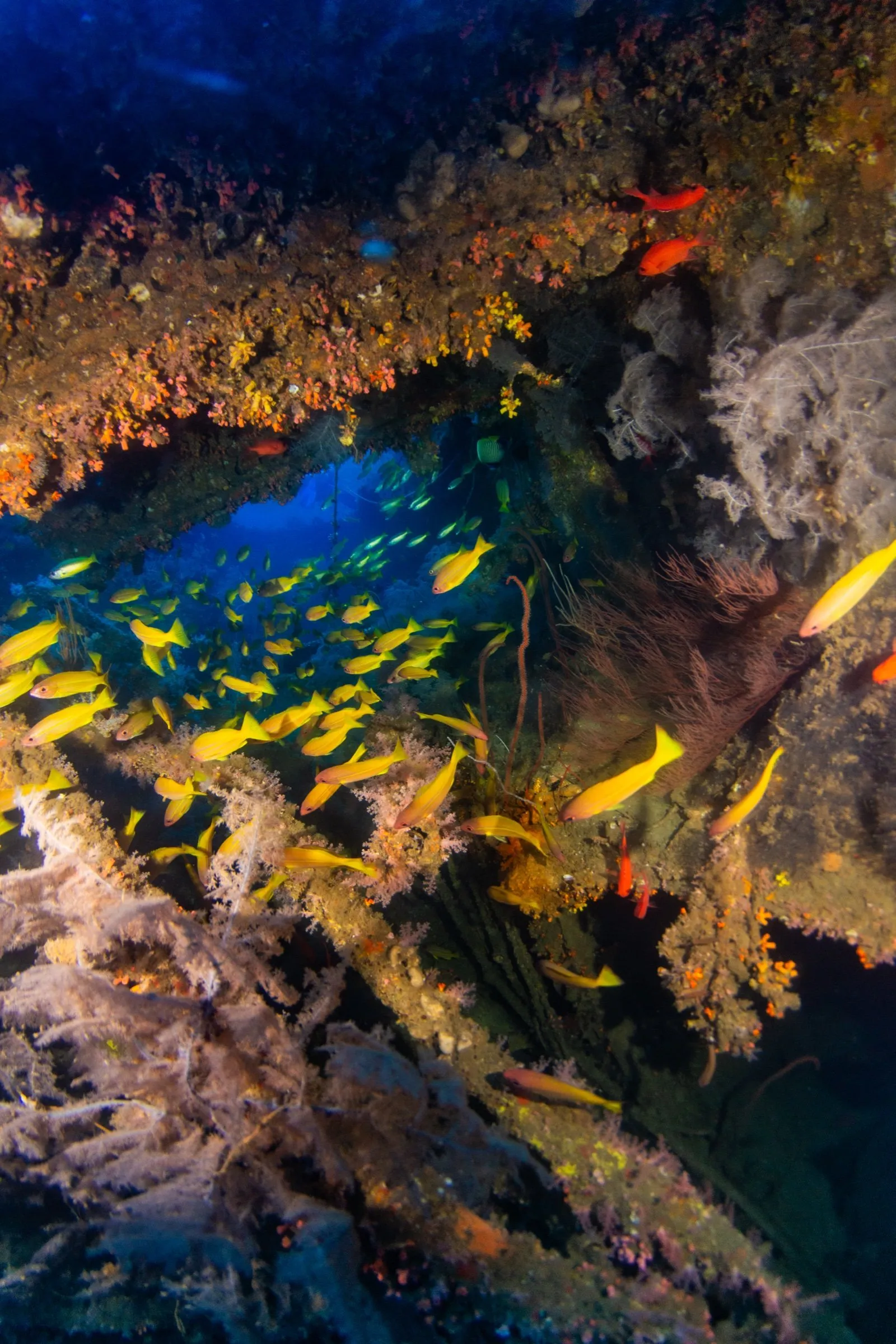
What actually kills wreck divers
Technical diving accident analysis shows a consistent pattern: most fatalities occur when divers exceed their training level. In wreck diving specifically, the most common precursor isn't equipment failure or gas loss. It's a diver who entered a penetration they didn't have the skills to exit when conditions changed.
Conditions always change inside a wreck. Silt disturbed by a fin kick removes all visibility. A navigation reference that was clear on the way in looks completely different on the way out. A team member's stress response creates a secondary problem at depth, inside a confined metal structure, with limited gas.
TDI Advanced Wreck training is built around this reality. Not the ideal-conditions version of wreck diving, but the version where the silt drops and the plan changes and the gas is counting down.
What makes wreck penetration different
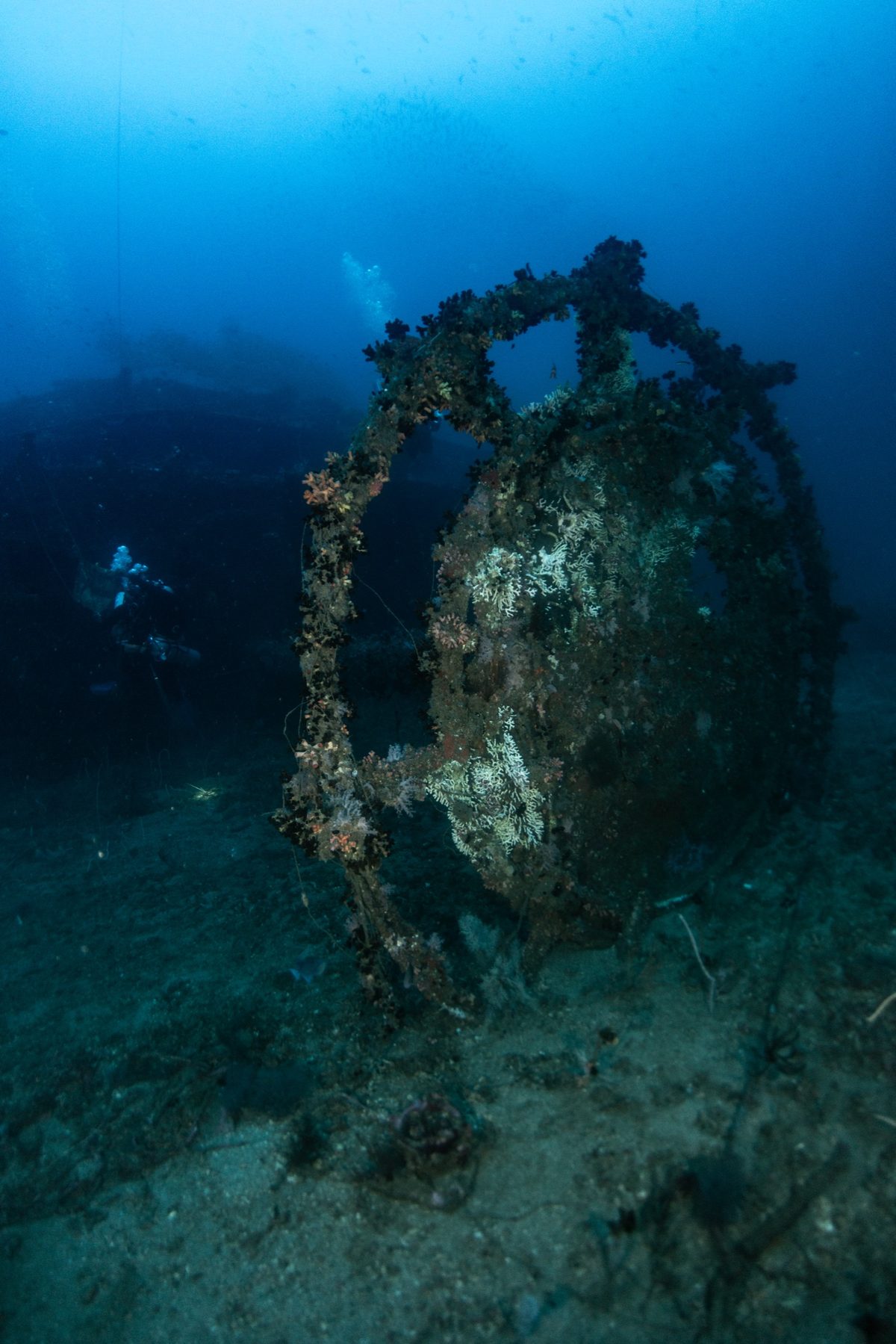
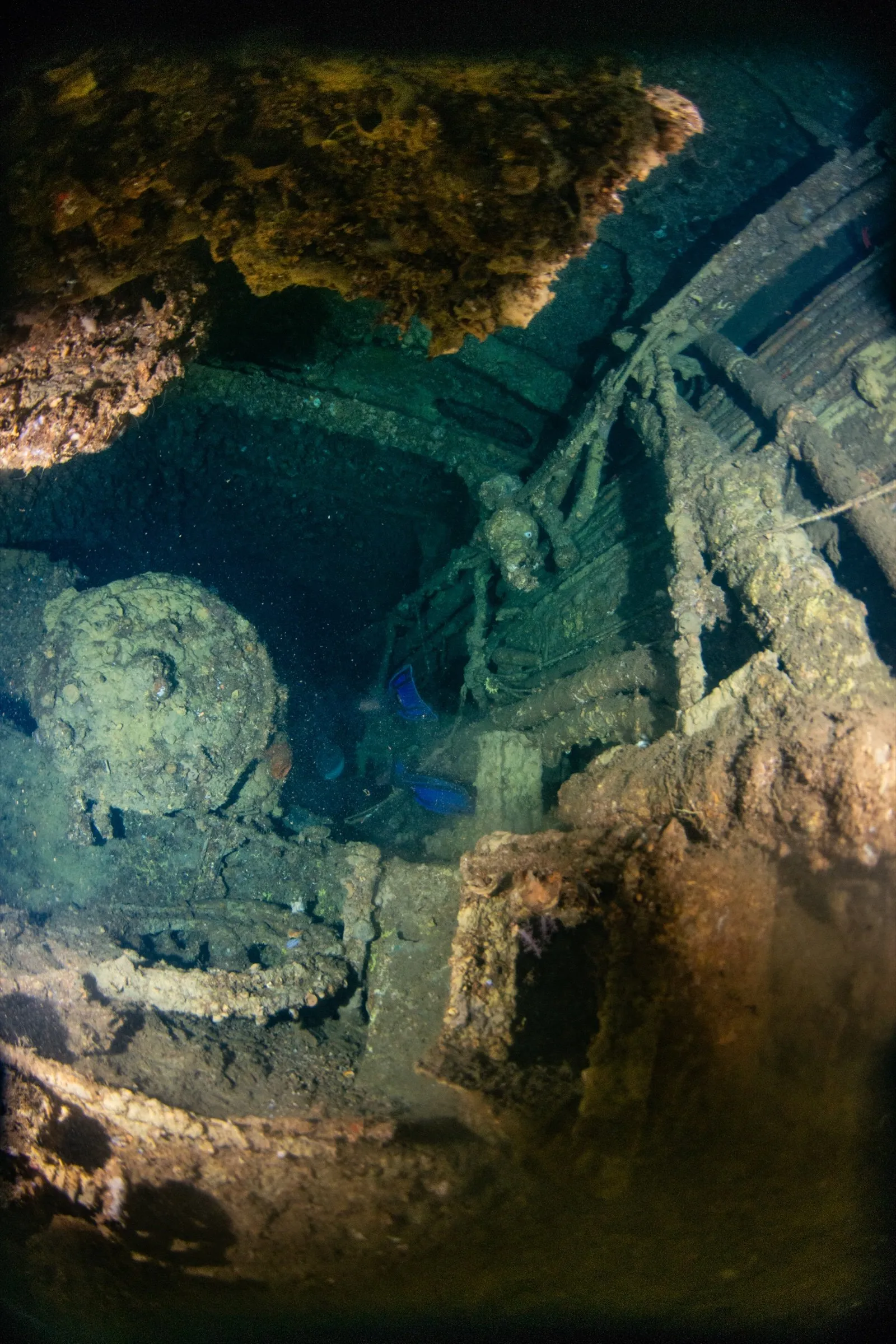
A wreck looks navigable from the entrance. Standing outside and looking in, the route is obvious. Visibility is adequate. There's space to move.
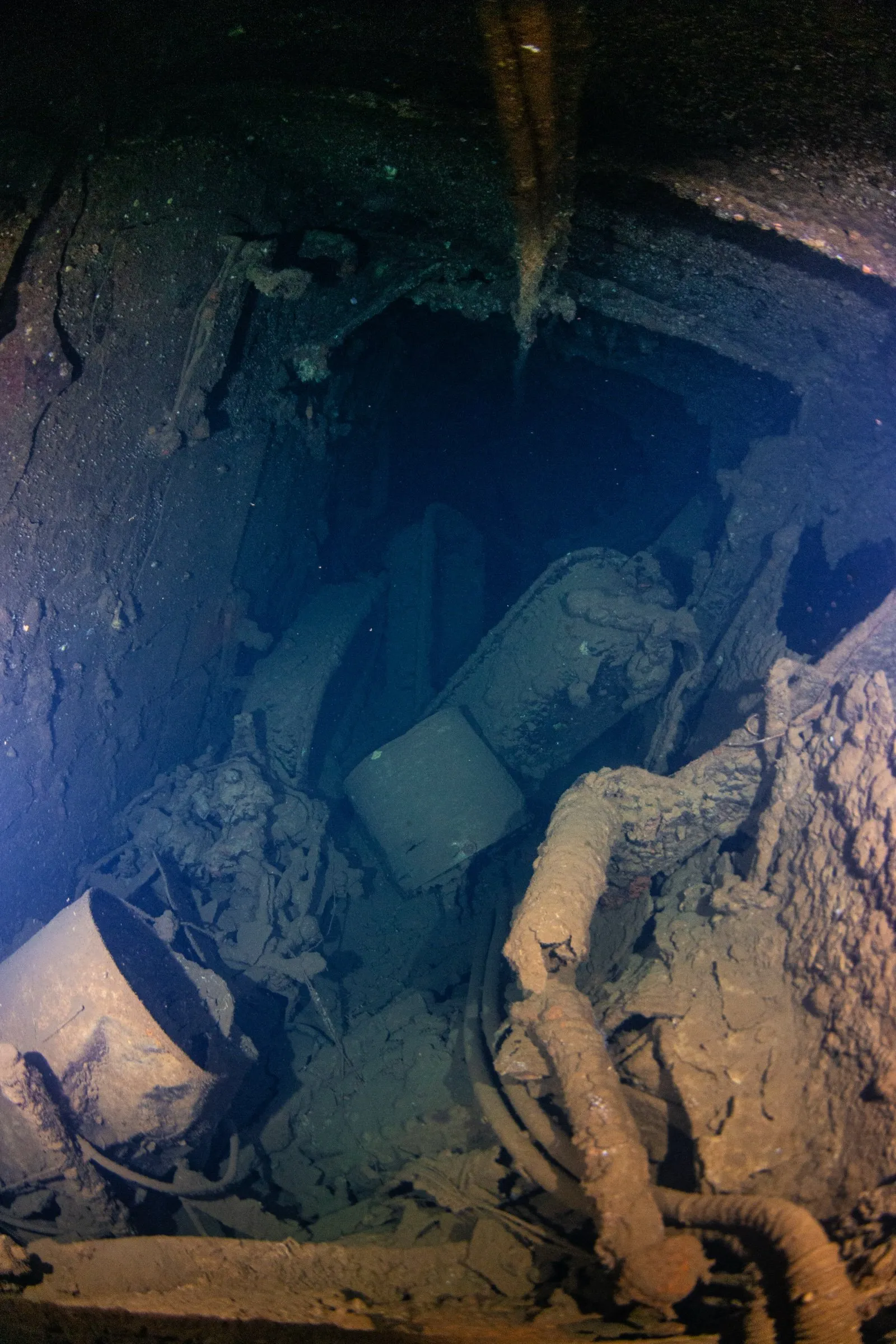
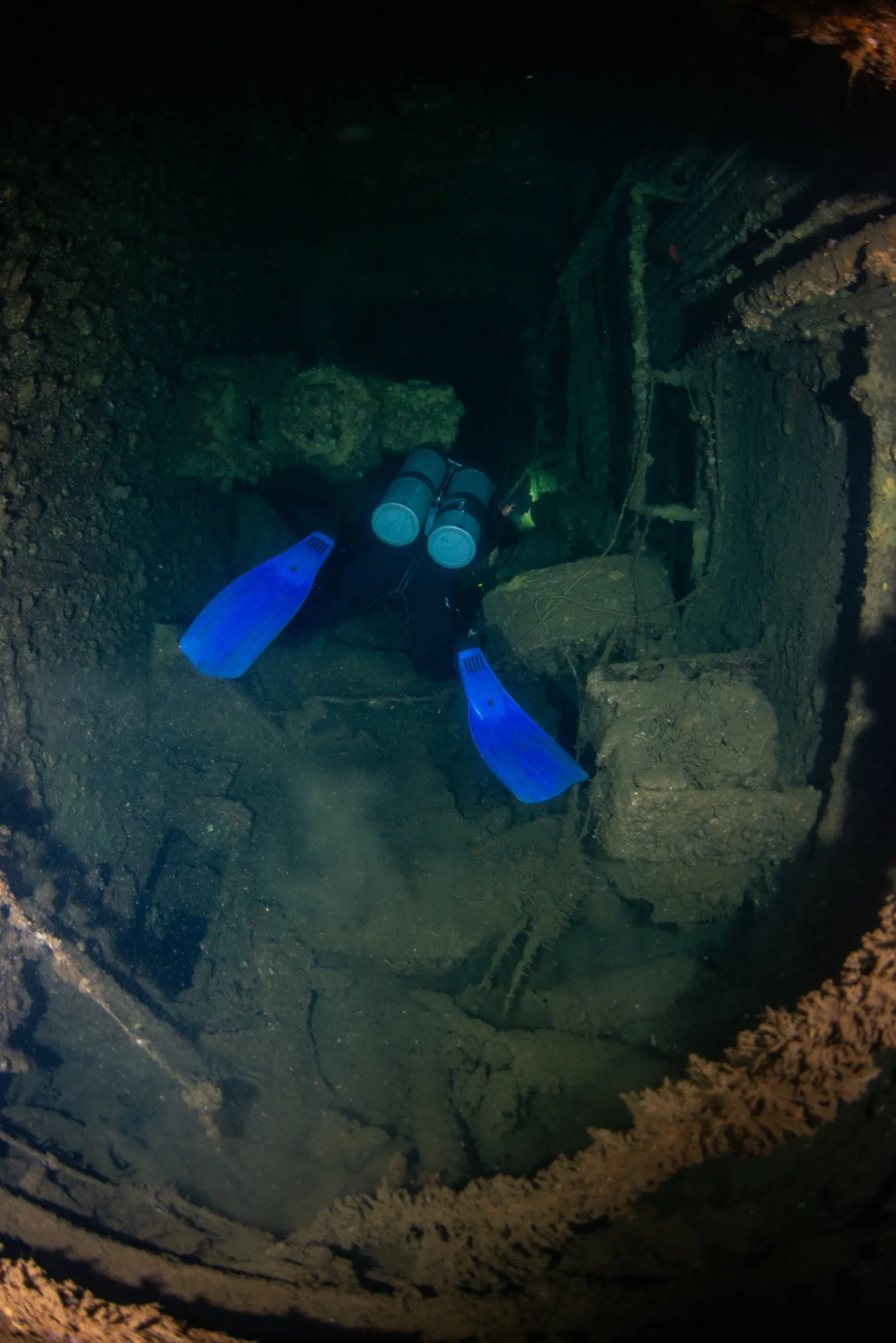
Inside, the same space has different properties:
- One fin kick near the bottom silts to zero visibility in under a minute
- Metal structures reflect and scatter torch light in disorienting ways
- The entry point looks completely different when you're heading out instead of in
- Monofilament, cables, and debris are everywhere, often invisible until you're in them
- Every surface is sharp
These aren't hypothetical risks. They're the routine realities of wreck penetration. The course builds the skills that manage them.
What you'll learn
Structure assessment before entry
Most of the decision-making in wreck diving happens before the first breath inside:
- Reading a wreck from the outside: entry visibility, silt indicators, structural stability
- Identifying the penetration route and the abort points along it
- Evaluating hazards: collapse risk, entanglement zones, zero-visibility sections
- Planning maximum penetration distance based on gas, skill, and team capability
- The decision to not enter: the conditions that make penetration inadvisable regardless of the plan
This last point is trained explicitly. Ego-driven penetration decisions are the common thread in wreck diving accidents. Knowing when to turn around before you go in is the skill that matters most and gets practiced least.
Gas management for overhead penetrations
- Rule of thirds applied to wreck penetration: the logic behind it, not just the rule
- Calculating turn pressure from your actual RMV and the planned penetration distance
- Managing the difference between your gas consumption and your buddy's inside a wreck
- Gas loss scenarios: team member loses gas inside the penetration, and what the plan is before you enter
- Decisions at depth when penetration time extends beyond the plan
Line discipline inside a structure
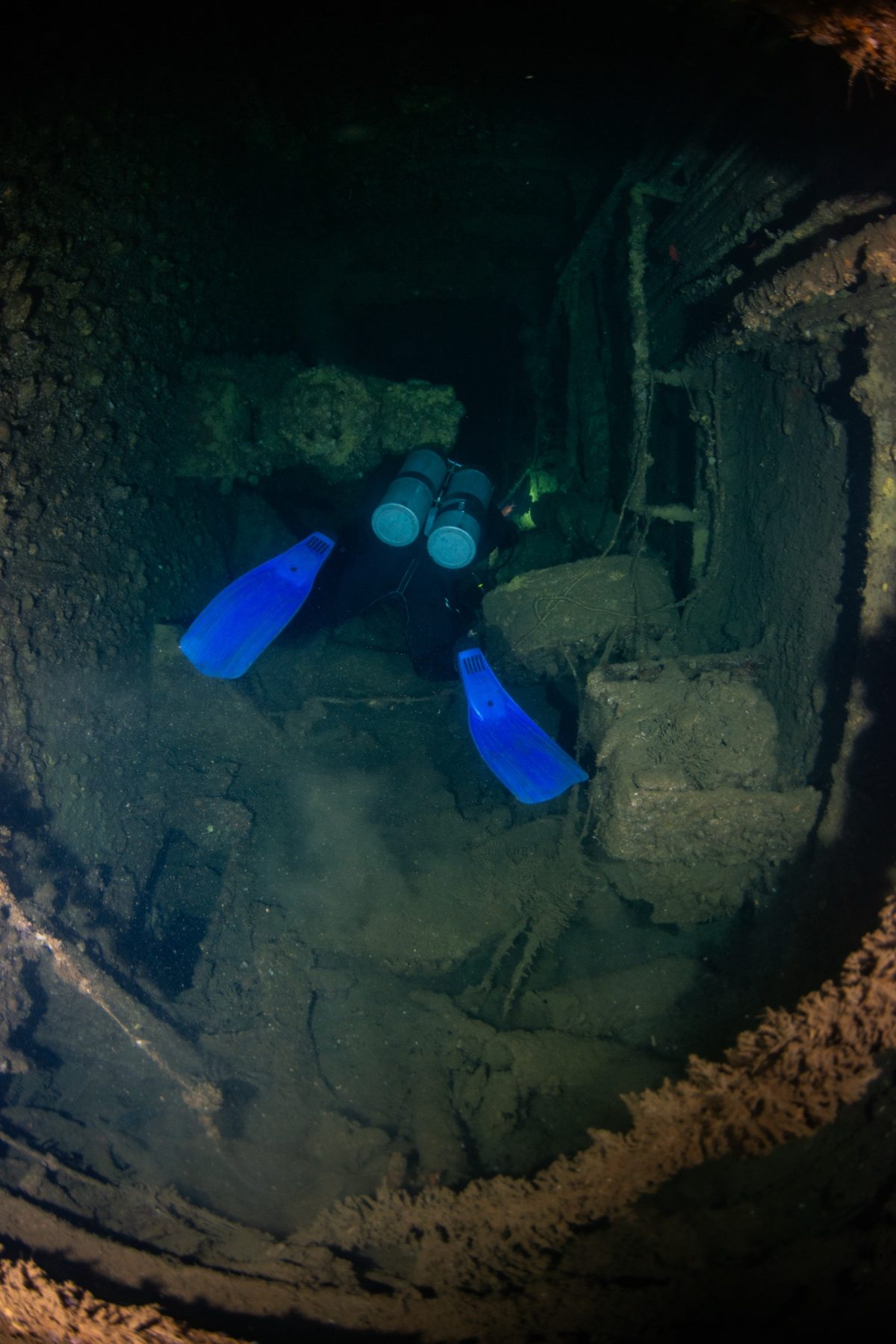
- Primary reel deployment and management inside confined spaces
- Primary tie-off and secondary tie-off: where, when, why
- Line following in zero or near-zero visibility: by feel, in sequence, without panic
- Managing a tangled or pulled line inside a penetration
- Team position on the line in confined spaces
Propulsion in debris-heavy environments
- Modified frog kick inside a structure where fin clearance is limited
- Pulling technique for low-clearance sections without creating turbulence
- Back-kick to reverse when turning around isn't possible
- Maintaining trim when ceiling height restricts body position
- Managing silt awareness throughout, not just at the floor
Zero-visibility exit
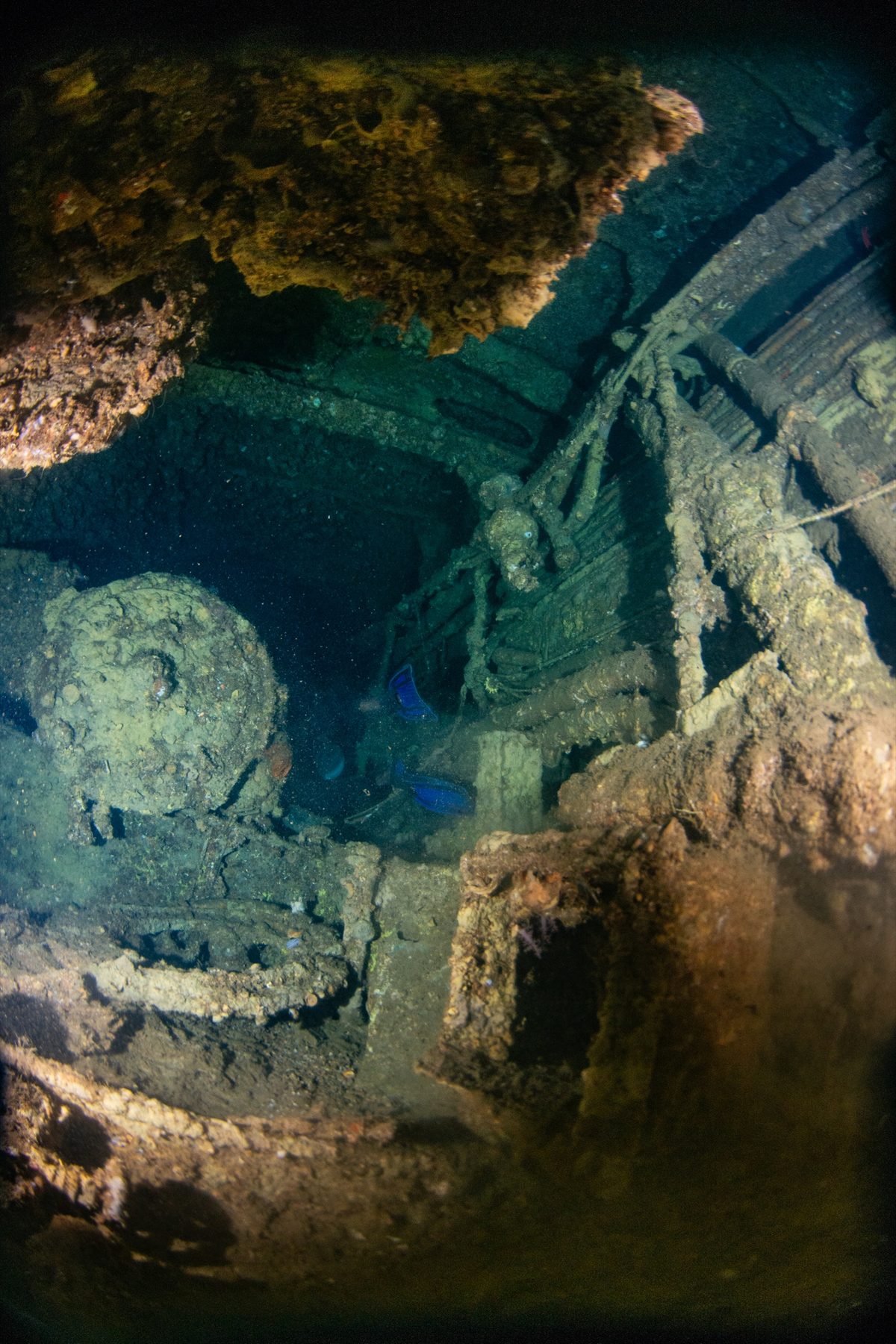
This is the skill most people don't practice and most need:
- Touch-contact navigation to the line when all visual references are gone
- Line following to the exit by feel and by the sequence of tie-offs
- Team communication by touch in zero visibility
- Breathing rate management under the stress of zero visibility
- Exiting without increasing silt disturbance, because the last thing you want is to make it worse
Hazard avoidance
- Monofilament and fishing net recognition and avoidance
- Machinery and sharp metal navigation
- Entanglement response if it occurs
- Ceiling discipline: staying away from it, not just under it
- Managing buoyancy in areas where upward movement is constrained
Prerequisites
- Advanced Open Water or equivalent
- 40+ logged dives
- Solid neutral buoyancy
- Physical fitness and calm in confined spaces
- Wreck Diver specialty recommended (can sometimes be integrated into scheduling)
Course duration
2 to 3 days. Penetration distances start short and increase as skills are genuinely demonstrated. Zero-visibility exit practice is completed before any penetration beyond the light zone.
Gear
- Primary reel with 50 to 75m line minimum
- Primary torch (1000+ lumen minimum) and two backup lights, mandatory, not optional
- Two cutting devices
- Backup mask
- Appropriate exposure protection
- Dive computer
- Sidemount preferred; backmount accommodated
Training locations
Wreck training runs across the Maldives, Sri Lanka, and India, with site selection matched to your goals and skill level.
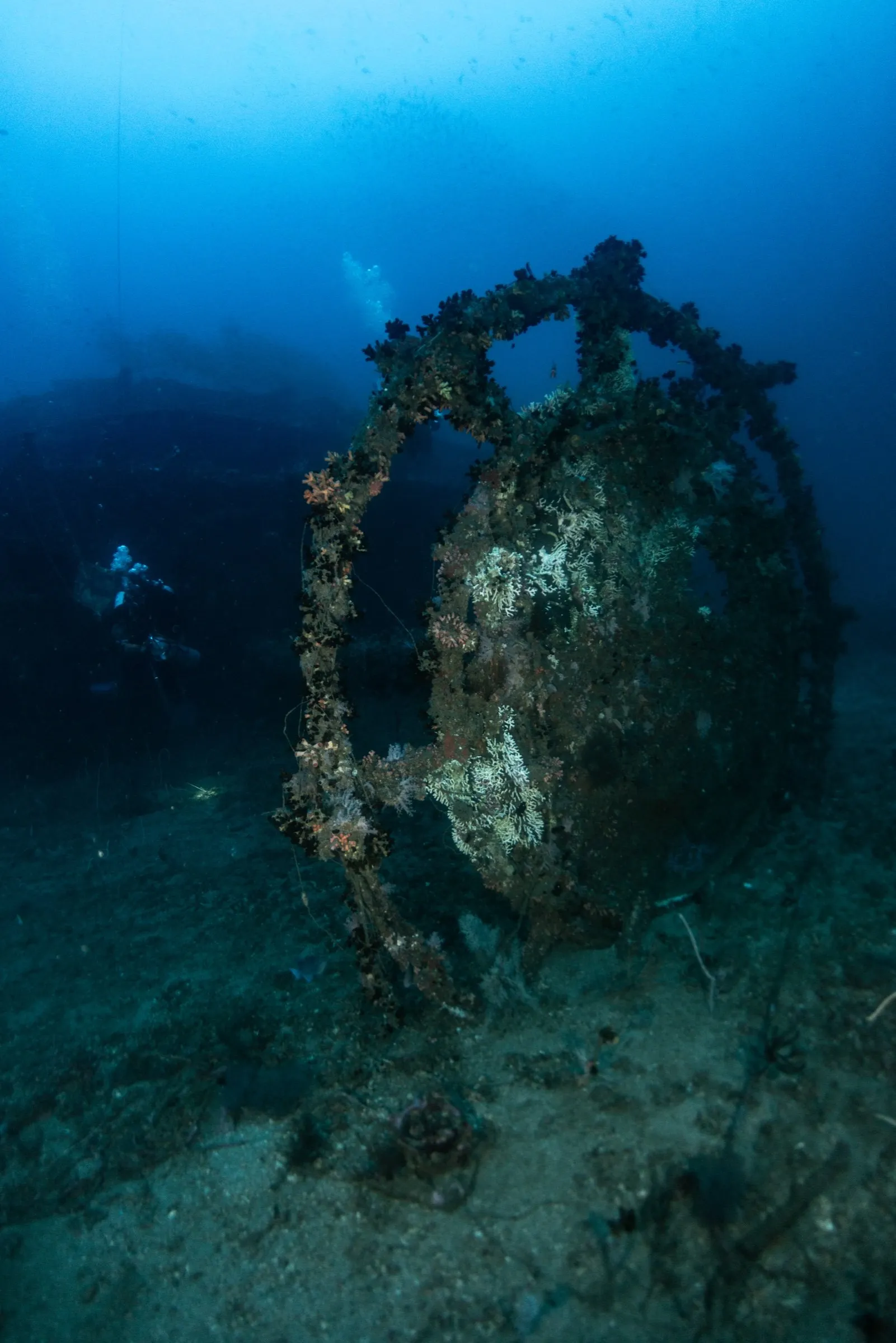
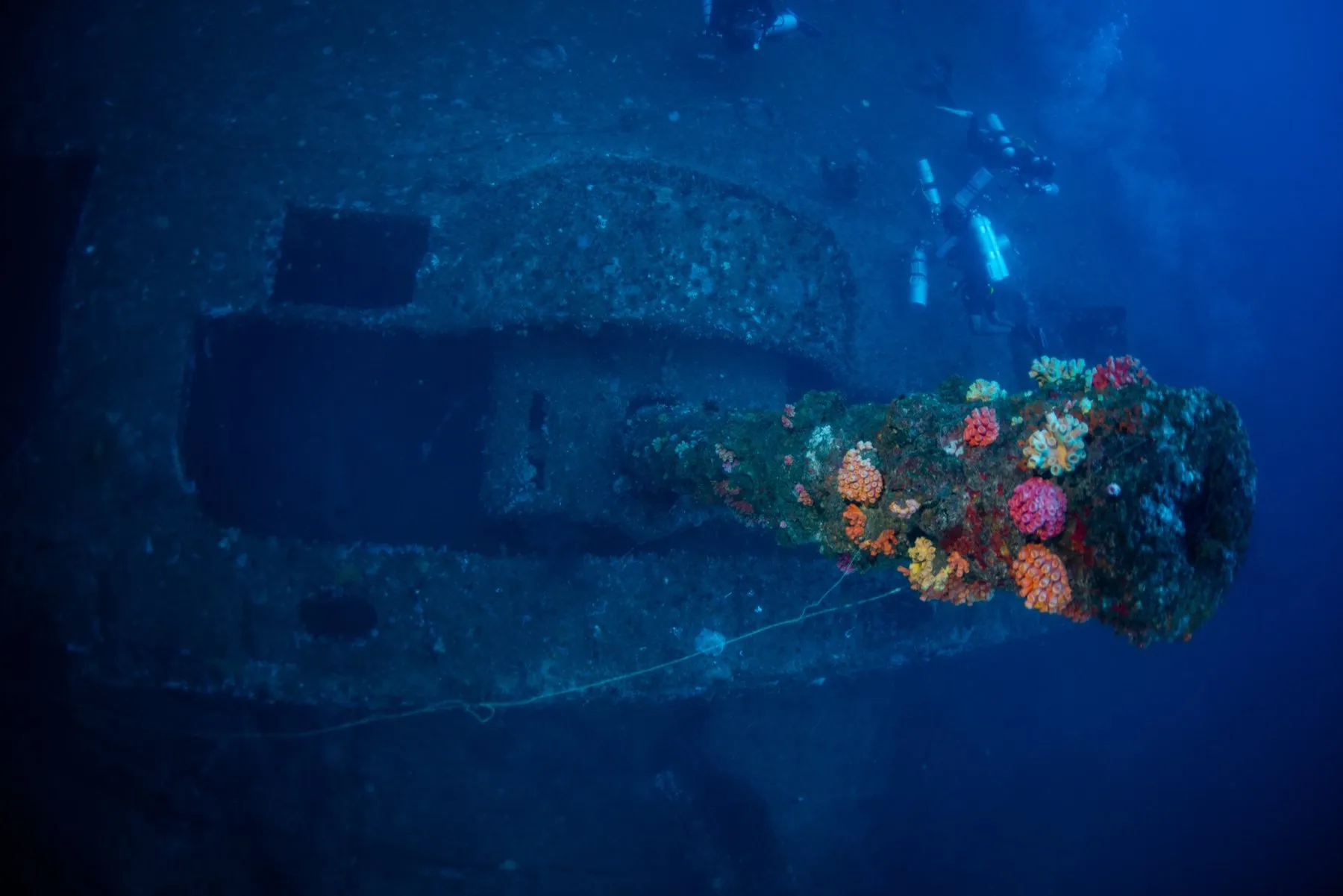
Sri Lanka's wreck inventory, including Second World War-era vessels in excellent condition, provides both recreational and technical penetration options at good visibility. Pondicherry's offshore wrecks are well-suited for training penetrations at controlled depths.
If you have a particular wreck in mind, mention it when you enquire. The training can be oriented toward the skills it specifically requires.
What comes next
- Cavern: natural overhead environments, complements wreck training
- Tec 45 / Advanced Nitrox & Decompression Procedures: extend bottom time and carry a decompression obligation inside a wreck
- Sidewinder CCR MOD1: remove the gas volume constraint on long wreck dives
Frequently asked questions
What's the actual difference between recreational wreck diving and TDI Advanced Wreck?
Recreational wreck diving keeps you in the light zone. TDI Advanced Wreck trains penetration into the full overhead: navigation by line, zero-visibility exit procedures, gas discipline for enclosed environments. The skill set and discipline standard are substantially different.
How do I assess whether a wreck is appropriate for my skill level?
Part of what this course teaches. The short answer: start with a shorter penetration, assess visibility conditions inside before committing further, and plan your maximum penetration distance on gas before you enter. The course gives you the assessment framework. Applying it honestly is the skill.
Do I need a torch if the wreck is shallow and there are windows?
Yes. The moment you move beyond ambient light from the entry, which can happen within metres, a torch is required. Primary light and two backups are mandatory for any penetration.
Can I combine Advanced Wreck with Cavern training?
Yes, and it's the recommended approach. The foundational skills (anti-silt propulsion, gas discipline, line handling, stress management) are shared. Combined training is efficient and the two environments reinforce each other well. Discuss this when you enquire.
Is this course appropriate without technical diving qualifications?
Advanced Open Water is sufficient as a starting point. Technical qualifications (decompression diving) become relevant when you want to add decompression time to wreck penetrations, and that's a separate conversation. Basic Advanced Wreck training doesn't require technical decompression qualifications.
Enquire about training
Enquire here. Donarun responds personally to every enquiry.
Pricing
Pricing is tailored to your course, location, and schedule. A full breakdown is provided before any commitment is made.
Frequently asked questions
- What are the prerequisites for Advanced Wreck Diver?
- No specific prerequisites; enquire directly to confirm the course suits your experience level.
- What certification do I receive after completing Advanced Wreck Diver?
- You receive a TDI Advanced Wreck Diver certification, recognised worldwide, upon successful completion.
- How long is the Advanced Wreck Diver course?
- The Advanced Wreck Diver course runs for 2 to 3 days.
- Where do you run this course?
- Courses run across the Maldives, Sri Lanka, and India (Pondicherry, Lakshadweep, and Meghalaya), scheduled around your dates and the right dive site for the course.
- How much does Advanced Wreck Diver cost?
- Pricing is quoted individually, because dive centre fees, certification costs, and logistics vary by course, location, and schedule. You get a full breakdown before any commitment.
- Who teaches this course?
- Donarun Das, a TDI Trimix Instructor, KISS Sidewinder CCR Instructor, and PADI Staff Instructor teaching across the Maldives, Sri Lanka, and India, with 15+ years of diving experience and a mechanical engineering background from NIT Silchar.