Wreck Diver Specialty
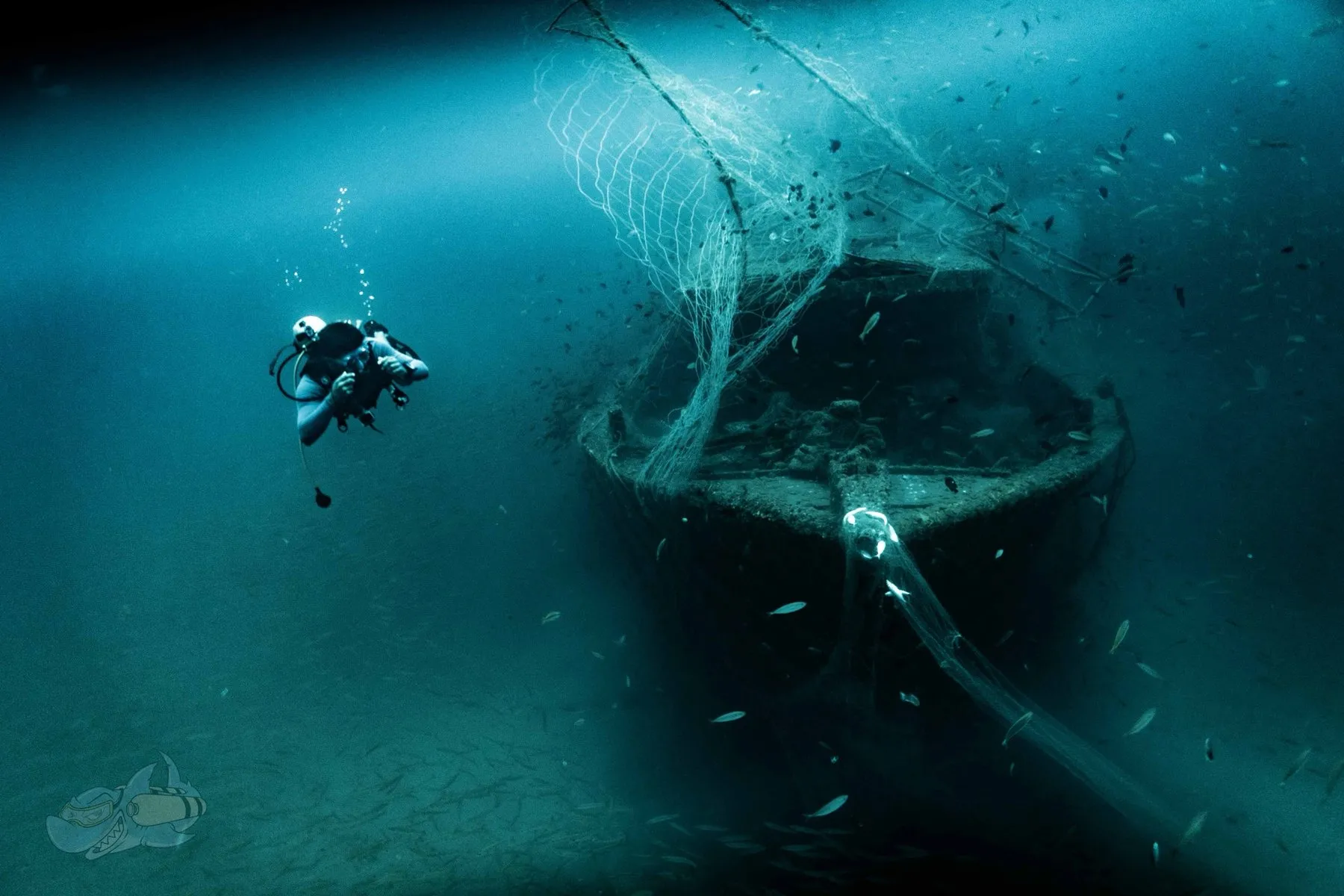
Wrecks are the best diving in the ocean
Not because of the depths. Not because of the technical challenge. Because every wreck has a story: a ship that worked, sailed, and sank, and now hosts an ecosystem that didn't exist before it went down.
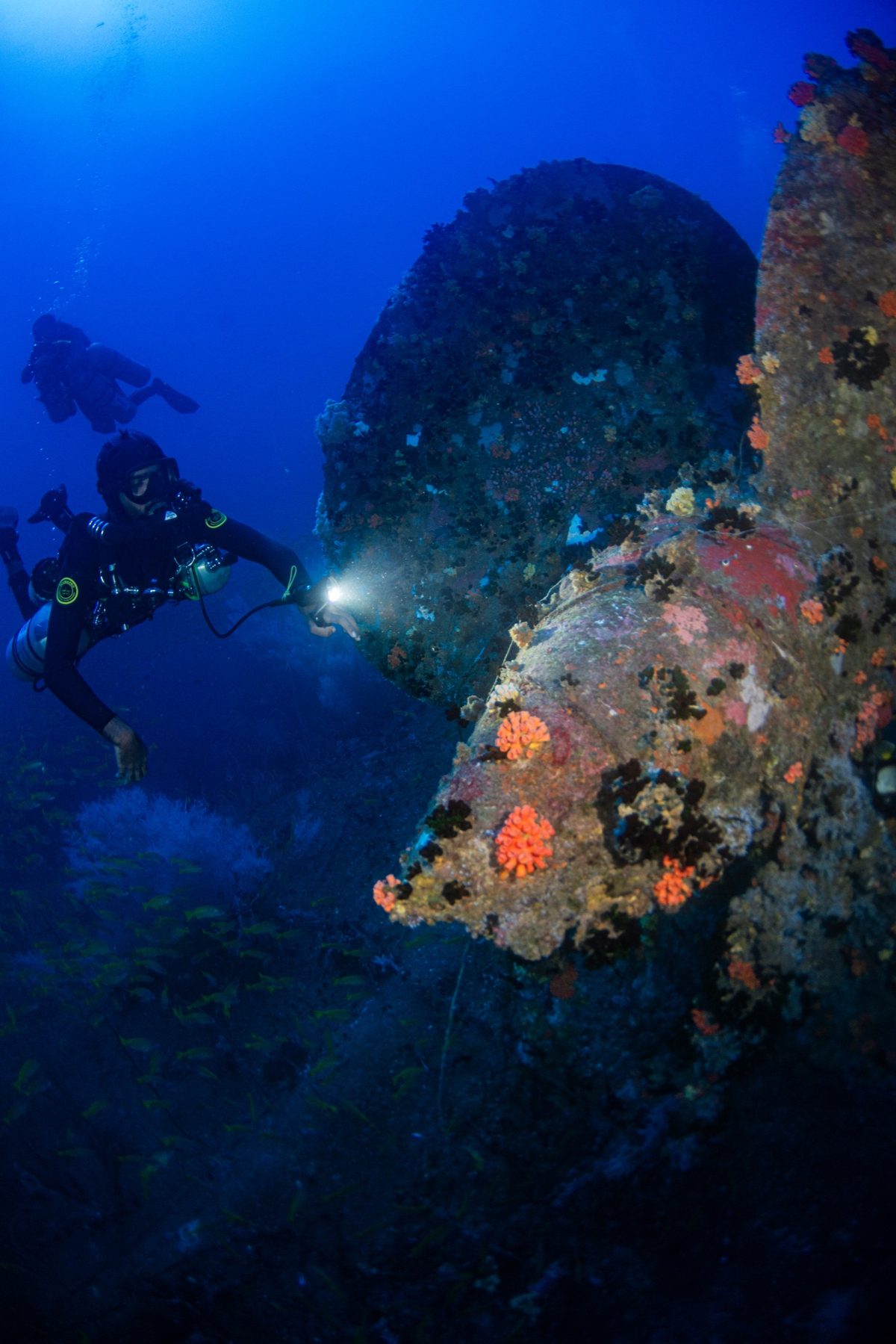
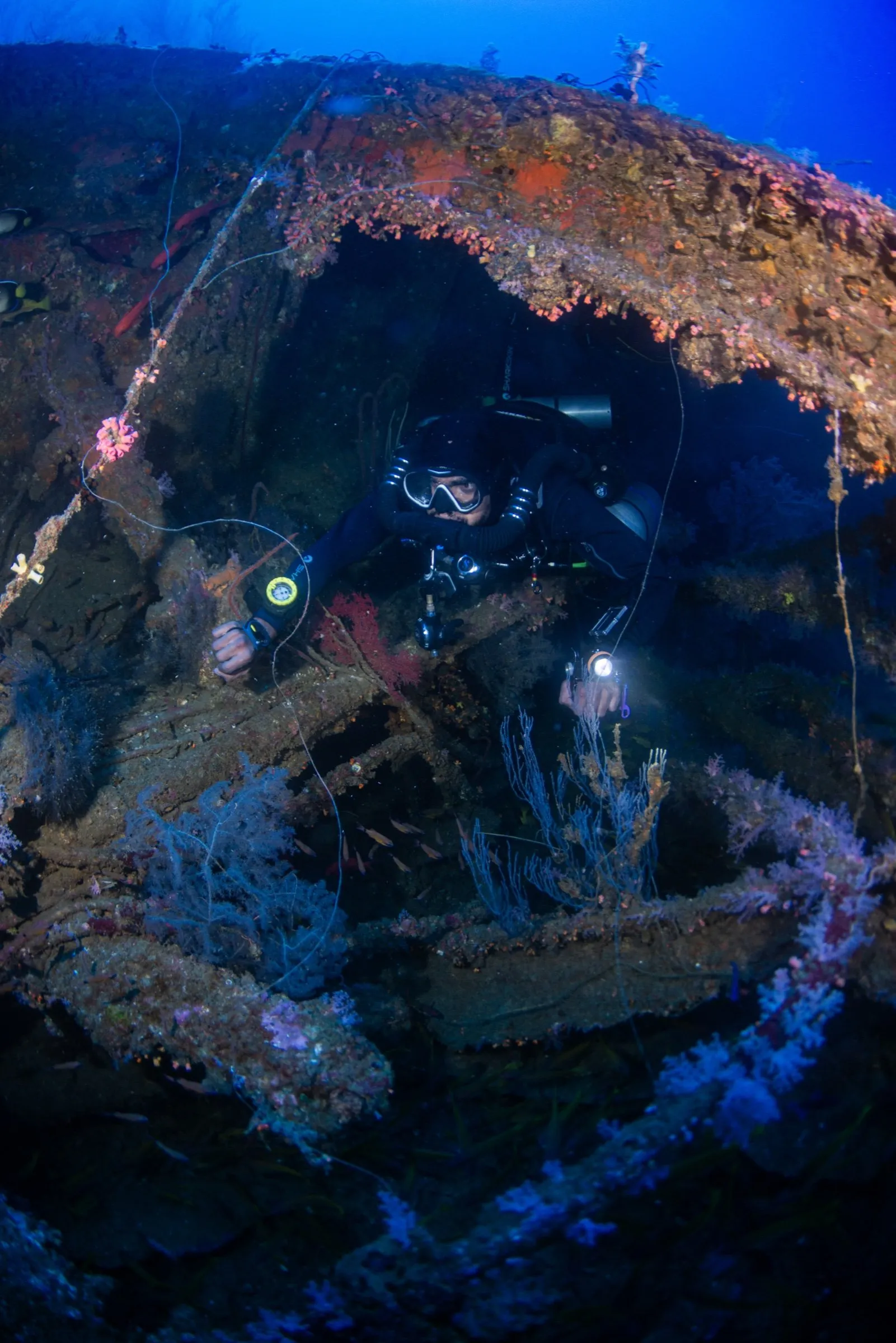
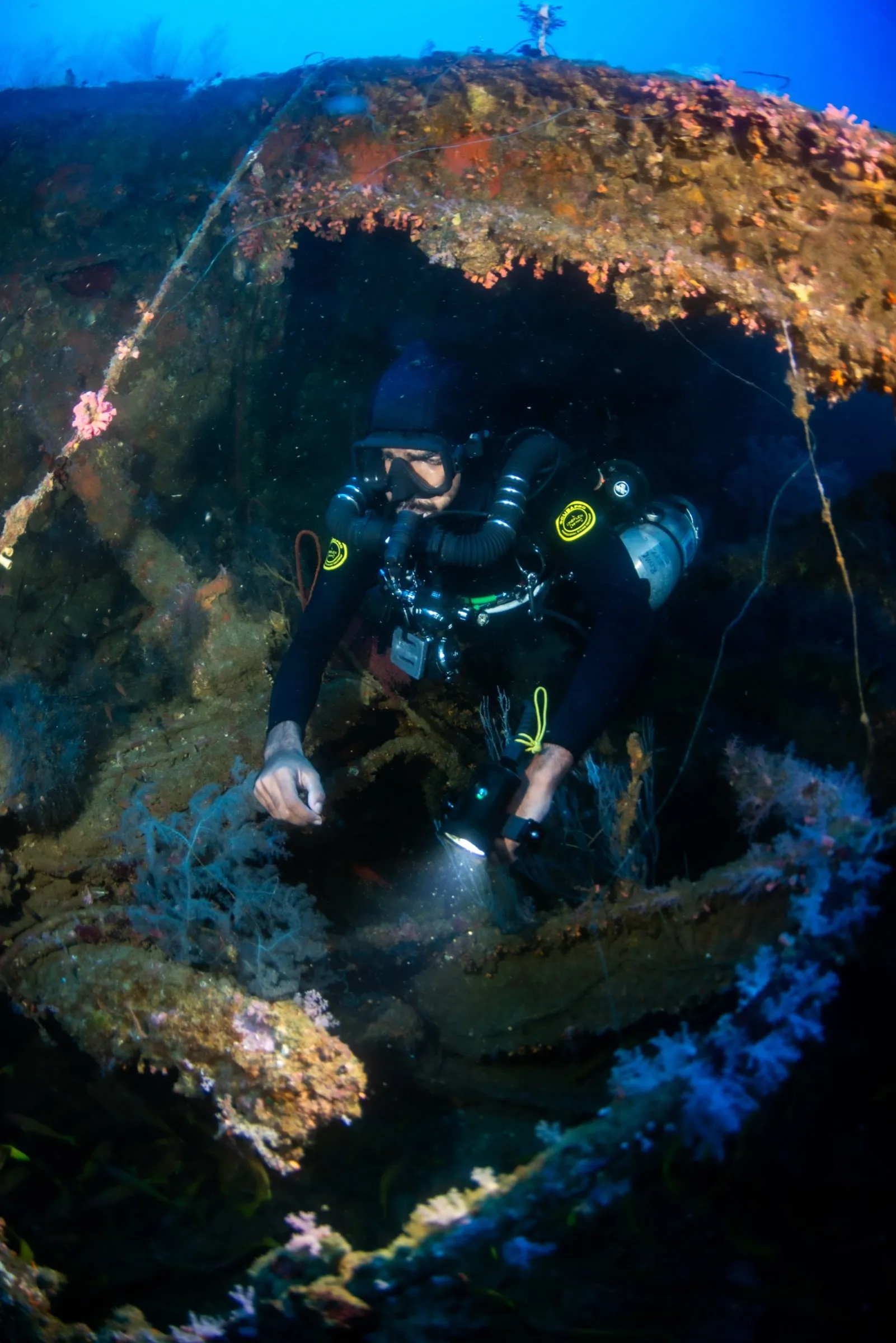
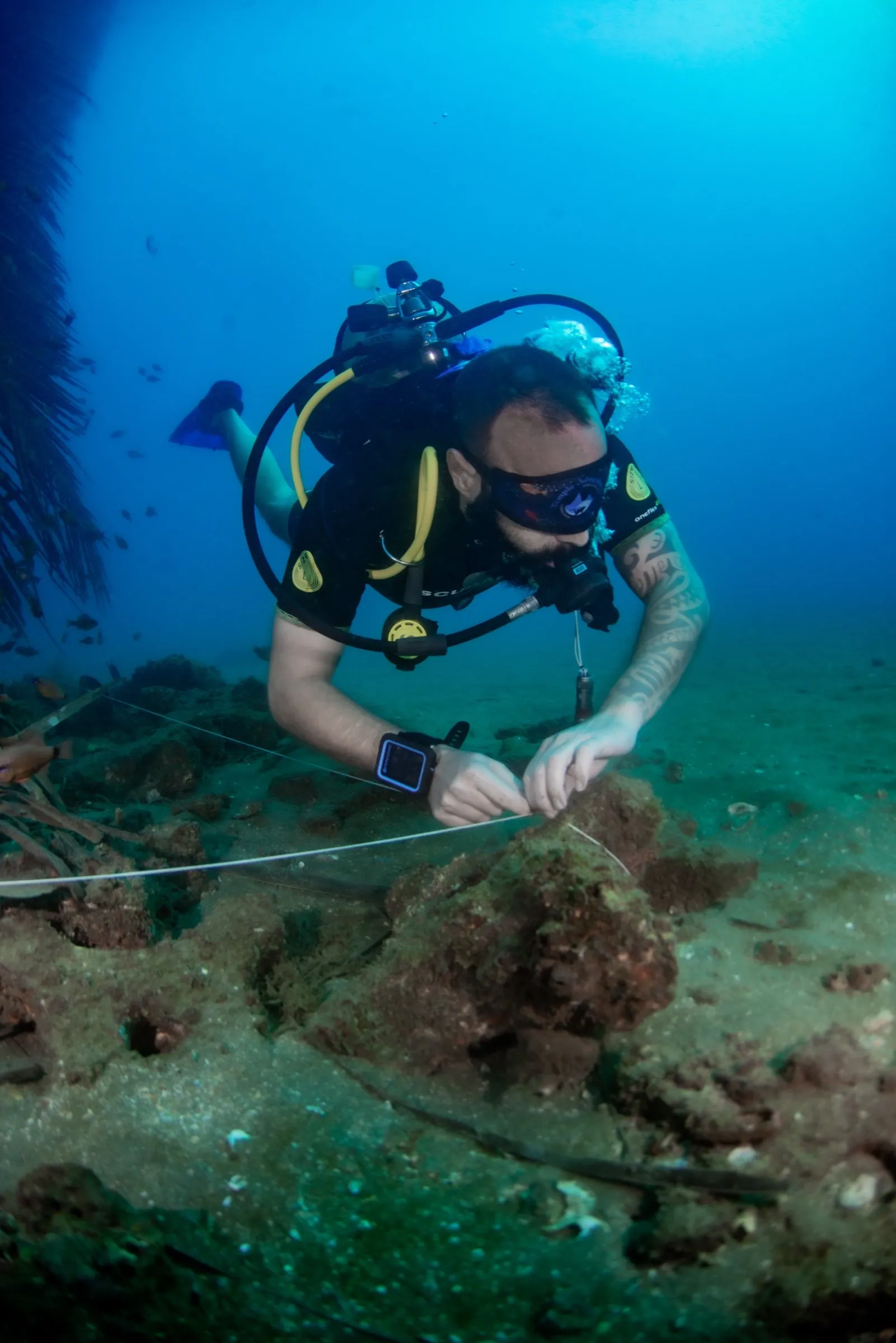
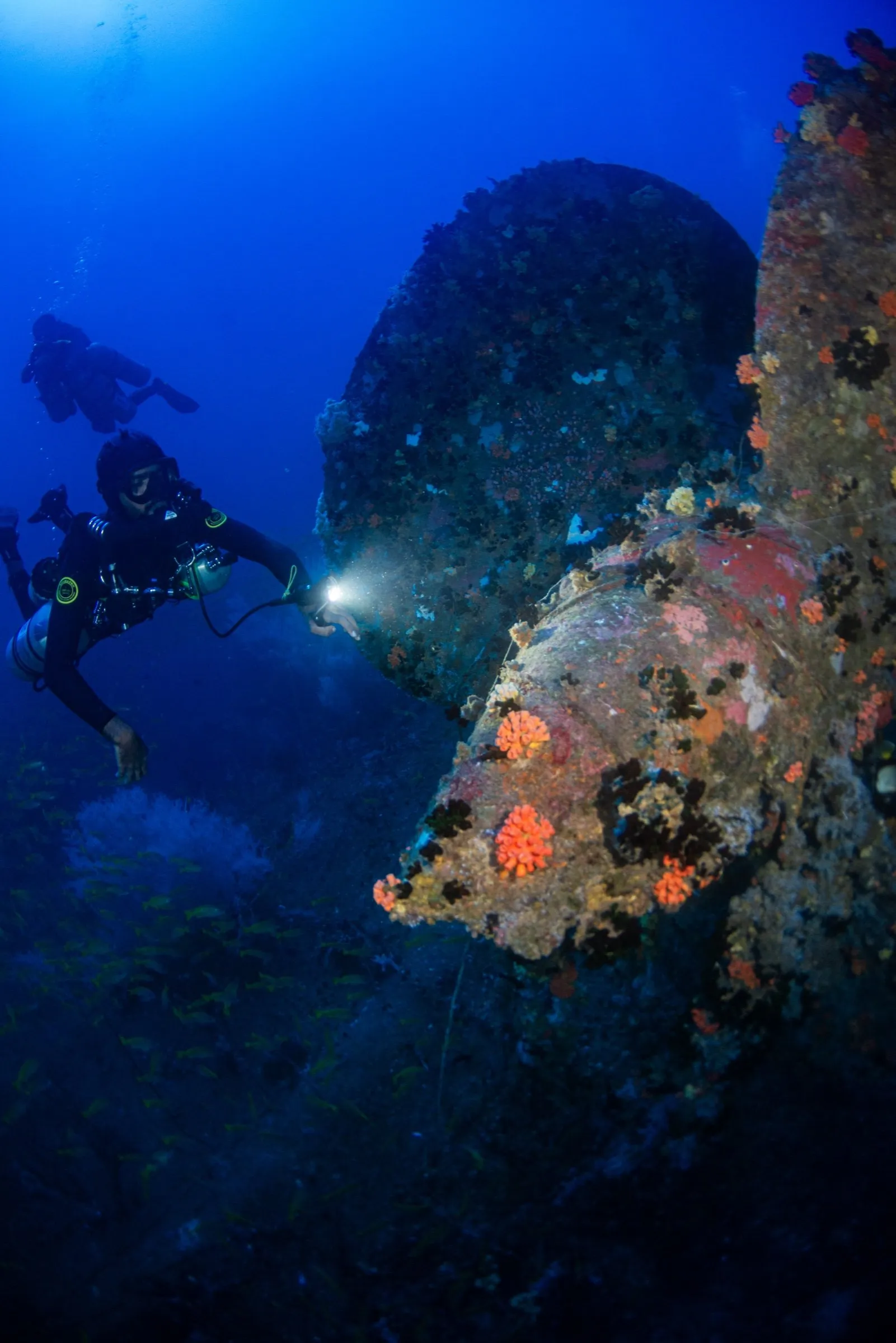
The fish know this. Wrecks produce some of the highest marine biodiversity of any dive site in the region. Soft corals grow on metal that's been underwater for decades. Schools of fish that would never gather in open water concentrate around structure. Visibility that would be ordinary on a reef becomes extraordinary when you're hovering inside a hold watching light filter through a porthole.
Getting the most from wreck diving requires more than just showing up. A wreck that looks straightforward from the outside has current patterns, depth variations, entanglement risks, and navigation challenges that an unprepared diver misses entirely, or gets caught out by. This course builds the awareness and discipline to explore wrecks properly and safely.
What's included
- 4 wreck dives across 3 days
- PADI Wreck Diver certification
- All dive centre fees (tanks, weights, boat, sites)
Who this is for
- Advanced Open Water certified divers with 25+ logged dives
- Anyone who wants to dive the region's historical and recreational wrecks properly
- Divers who want to develop the awareness and discipline for overhead environments
- A natural progression before Advanced Wreck if penetration diving is the eventual goal
Prerequisites
- PADI Advanced Open Water (or equivalent)
- 25+ logged dives
- Torch (primary and backup recommended)
What you'll learn
Reading a wreck before you dive it
Good wreck diving starts on the surface, before you enter the water. Understanding what you're looking at changes every dive.
- How to read a wreck briefing and chart
- Identifying the wreck's orientation, depth profile, and current patterns
- Locating the entry and exit points and the best route between them
- Understanding what the wreck was (its history, its purpose, and how it sank) and why that context improves the dive
Wreck navigation
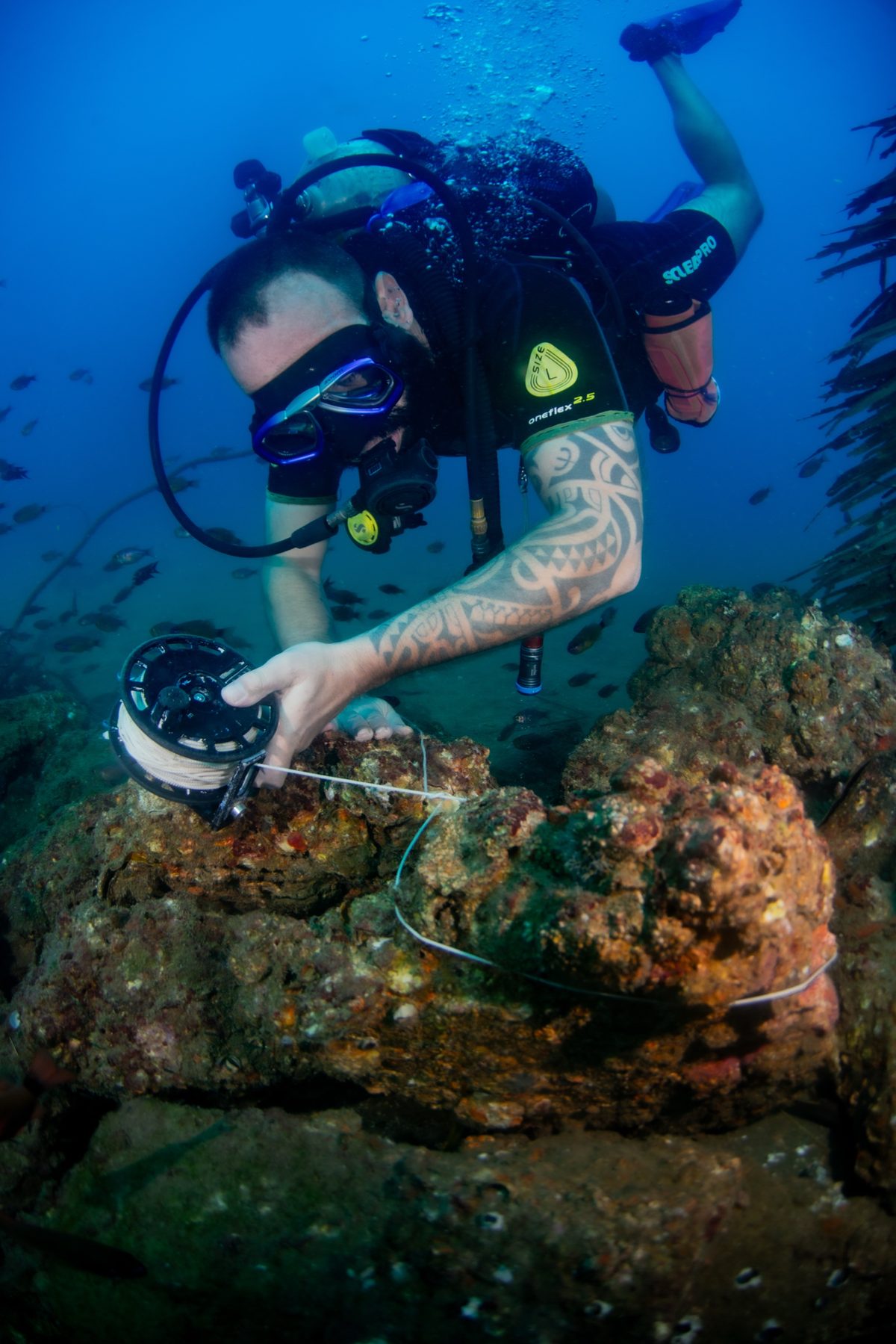
Wrecks are three-dimensional structures with corridors, holds, and decks that all look different depending on where you are. Navigation that works on a reef doesn't automatically transfer.
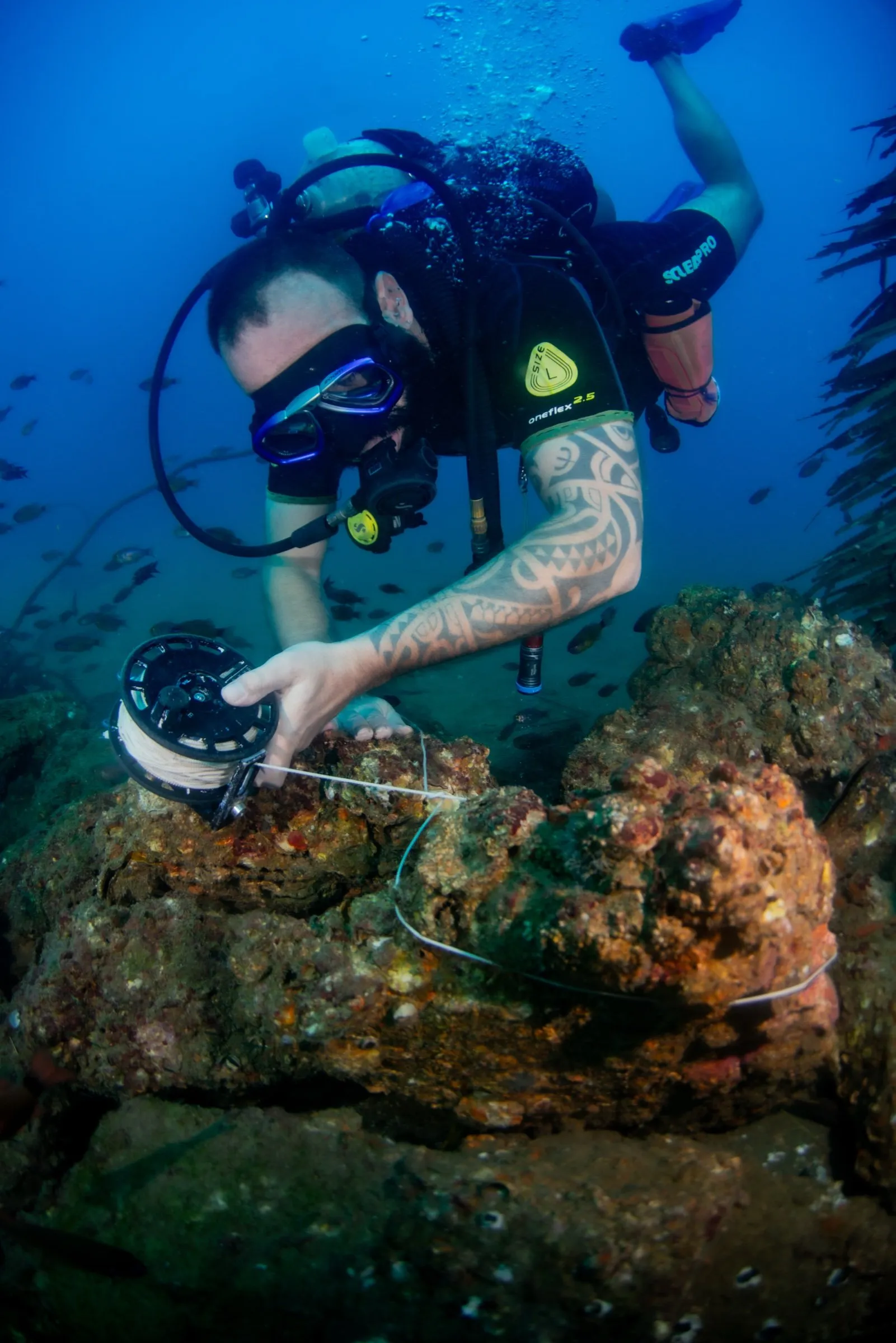
- Using the wreck's structure as a navigation reference
- Depth changes as navigation cues
- Compass bearings on wrecks with a strong metal signal
- Natural light and shadow as orientation references
- Staying oriented when you can't see both ends of the wreck simultaneously
Light zone penetration
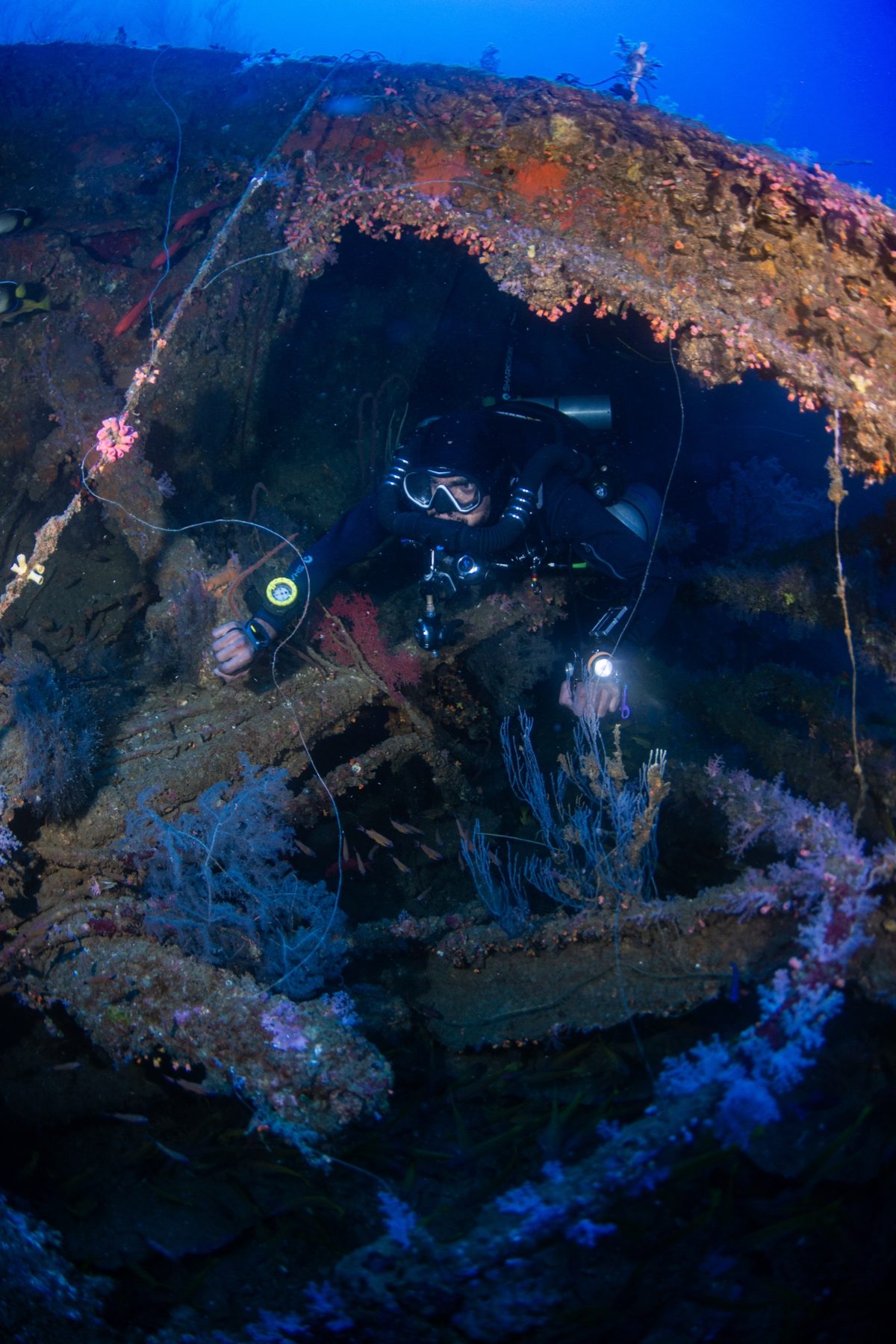
This course covers the light zone, areas where natural light reaches from the entry point. You can always see natural light. You're never in full darkness. But you are in an enclosed environment with different properties to open water.
- Torch technique for supplementing natural light inside a wreck
- Managing buoyancy in enclosed spaces: what silt disturbance looks like and how to prevent it
- Moving through hatches and doorways without disturbing structure
- Recognising when you've reached the limit of safe penetration without line and additional equipment
Hazard awareness
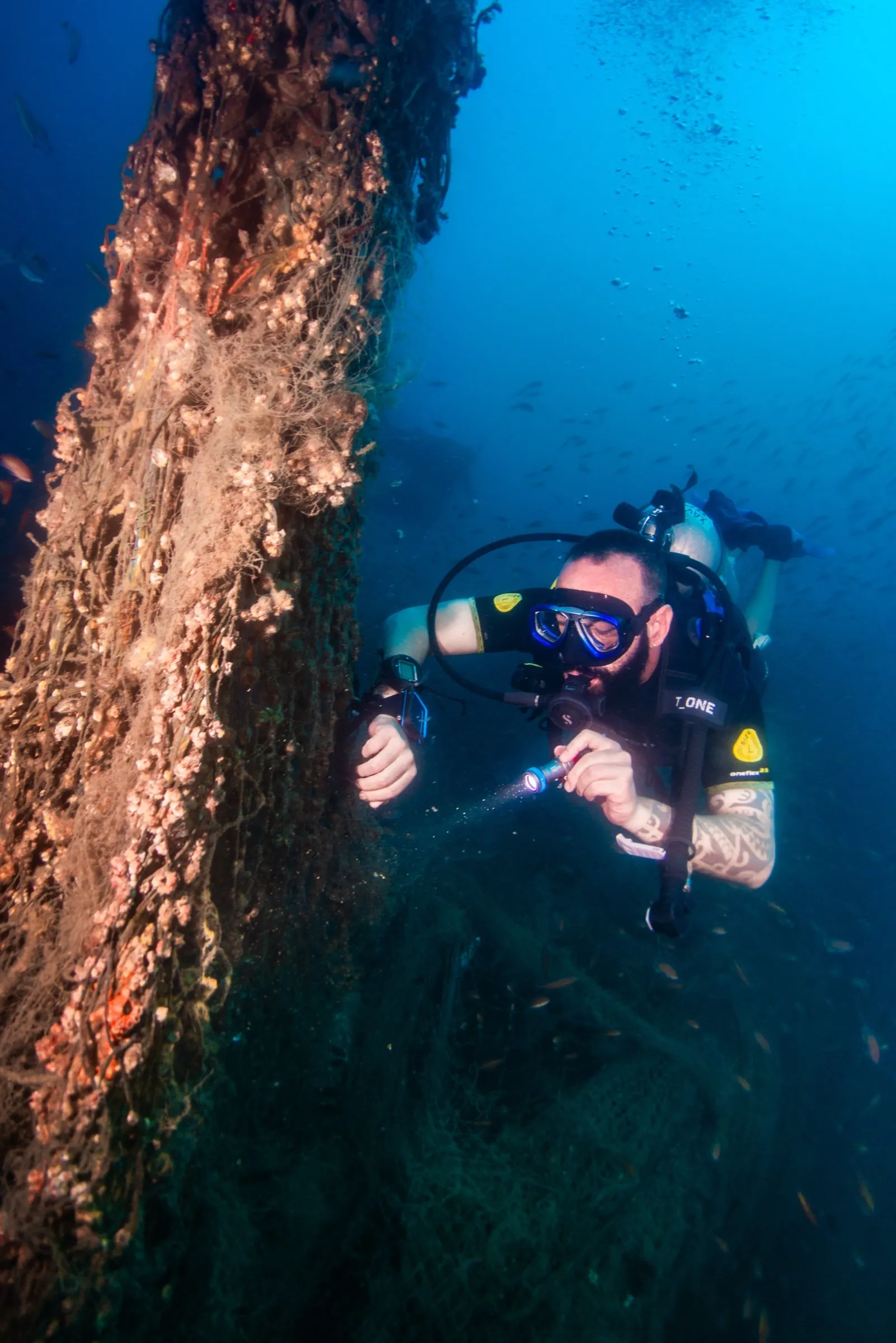
- Entanglement risks: monofilament, cables, nets, and debris
- Sharp metal and how to move around it without contact
- Structural stability assessment: what to look for and what to avoid
- Marine life on wrecks: what lives there, how to interact with it respectfully
Emergency procedures
- Response if you become disoriented inside the light zone
- Managing a torch failure during wreck penetration
- Out-of-air response in a partially-enclosed environment
- Buoyancy emergency in a confined space
Course structure
3 days, 4 dives. Each dive builds on the previous one: the first wreck is an orientation, the last is a properly planned and executed dive with full awareness.
- Day 1: Wreck briefing, history, and first dive, exterior exploration and assessment
- Day 2: Light zone navigation dive and wreck ecology focus
- Day 3: Two dives, planned light zone penetration and independent navigation
- Maximum depth: 30 metres
- Ratio: 2 students per instructor maximum
Taught by Donarun personally.
Wrecks we dive
Training sites are selected based on location and conditions. Sri Lanka offers exceptional historical wrecks including Second World War-era vessels in genuinely good condition: well-preserved, good visibility, excellent marine life. Pondicherry has accessible offshore wrecks well-suited to specialty training.
If you have a specific wreck in mind, mention it when you enquire.
Where we train
The Maldives, Sri Lanka, and India. Site selection confirmed when scheduling.
What comes next
- Advanced Wreck: full penetration diving beyond the light zone, line discipline, zero-visibility exit. TDI certification. The next level if wreck diving is your thing.
- Rescue Diver: builds the problem-awareness that makes every dive, including wreck dives, safer
Frequently asked questions
Does this course include penetration diving?
Yes, into the light zone, where natural light is always visible. Full penetration beyond the light zone (where you lose visual contact with the entry) requires separate training and equipment: TDI Advanced Wreck.
Do I need my own torch?
Yes. A primary torch and a backup are strongly recommended. If you don't have one, mention this when you enquire. Gear hire can sometimes be arranged.
How is this different from just diving a wreck on a fun dive?
A guided fun dive shows you the wreck. This course teaches you to understand it: to read the structure, plan the dive, navigate independently, and manage the specific hazards wrecks present. After this course, you can dive a new wreck you've never seen before and approach it correctly.
Is this the course before technical wreck training?
Yes. The PADI Wreck Diver specialty is the correct foundation before TDI Advanced Wreck if penetration diving is where you want to go. The skills developed here (wreck assessment, light zone navigation, hazard awareness) are directly relevant to what comes next.
Enquire about training
Enquire here. Donarun responds personally to every enquiry.
Pricing
Pricing is tailored to your course, location, and schedule. A full breakdown is provided before any commitment is made.
Frequently asked questions
- What are the prerequisites for Wreck Diver Specialty?
- No specific prerequisites; enquire directly to confirm the course suits your experience level.
- What certification do I receive after completing Wreck Diver Specialty?
- You receive a PADI Wreck Diver Specialty certification, recognised worldwide, upon successful completion.
- How long is the Wreck Diver Specialty course?
- The Wreck Diver Specialty course runs for 3 days.
- Where do you run this course?
- Courses run across the Maldives, Sri Lanka, and India (Pondicherry, Lakshadweep, and Meghalaya), scheduled around your dates and the right dive site for the course.
- How much does Wreck Diver Specialty cost?
- Pricing is quoted individually, because dive centre fees, certification costs, and logistics vary by course, location, and schedule. You get a full breakdown before any commitment.
- Who teaches this course?
- Donarun Das, a TDI Trimix Instructor, KISS Sidewinder CCR Instructor, and PADI Staff Instructor teaching across the Maldives, Sri Lanka, and India, with 15+ years of diving experience and a mechanical engineering background from NIT Silchar.